

MEET THE BEST GUIDES IN
GLEN COE & THE HIGHLANDS
Meet The Best Private Tour Guides in Glen Coe & the Highlands
All of our guides have a slightly different look at the world. Have a read through some profiles to get a sense for who they are!
Scottish Highland & Islands Cultural & Historical Specialists
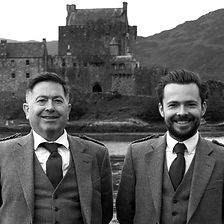
I A I N & L E W I S
Iain and his son Lewis are a warm & knowledgeable father & son team who can give you a truly multi-generational account of what it’s like to live in the remote Highlands of Scotland.
Together, they offer fully bespoke journies through the highlands, islands, and greater Scotland in general, covering history, ancestry, geology, whisky, golf, culture, film & tv treks, and folklore of all sorts.
PLANNING
The Scottish Highlands are vast, wild, and impossibly scenic. Planning matters more than you might think.
Weather, remoteness, and sheer driving distances require forethought, as does the fact that by their very nature, these are fairly uninhabited parts of the country, which means that accommodations are not exactly designed to house the masses.
A multi-day trip with private transport allows for deeper access into Glen Coe, Rannoch Moor, and the surrounding lochs and glens without the limitations of rigid tour group timetables.
Spring and early autumn (April–June and September–October) are the sweet spots: fewer midges, longer daylight hours, and shifting colours across the landscape. Summer brings brighter weather, but also more crowds and more midges. Winter offers stark, snowy beauty — though many remote roads and sites are closed or hazardous. You can absolutely visit year-round, but your packing list and flexibility must adjust accordingly.
Going with one of our private guides and drivers is strongly recommended for those who want to move at their own pace, take advantage of photography opportunities, and find the most special spots as well as understand the stories behind the landscapes.
While accommodation is scattered across villages and remote estates, it's worth booking early if you're after a lochside inn, converted castle, or atmospheric guesthouse.
Some of the best meals in the Highlands are found in these quiet spots — homemade venison stews, smoked fish fresh from the loch, and glorious sticky toffee puddings best enjoyed after a long walk.
As always, our itinerary is just a list of ideas to get you inspired. There are a lot of different ways to approach the highlands, and none of them are wrong, per se. If you have more time, you can stretch out and spend a lot of time joyously dallying about from here to there, poking about lesser-known castles and corners and so on.
Here we've presented a pretty straightforward first visit approach to cover a lot of things that most people will have heard of or be interested in, but it is just a simple overview, not the gospel.
Do watch out, there is a lot of whisky here.
MUSEUM & SITEBOOKING
Glenfinnan Viaduct & Jacobite Steam Train – The train (a.k.a. the Harry Potter train) is enormously popular, and booking opens months in advance through the West Coast Railways site.
If you can’t ride it, a viewpoint above the viaduct offers spectacular photos as it crosses with steam billowing.
It’s also worth mentioning here that the ordinary train also runs the same route across the viaduct, albeit without quite the same amplified charm as the steam one, but just in case the steam train is completely booked out, all is absolutely not lost.
Kilchurn Castle – Free to access and no need to book. A short walk (15–20 minutes) from the roadside through pastures and along the loch. Bring waterproof shoes, especially outside summer.
Innes Chonnel Castle – Not always accessible without a boat and no formal infrastructure exists, so best approached with a local guide or boat hire. A ghostly, atmospheric site for those intrigued by abandoned ruins and clan history.
Eilean Donan Castle – One of Scotland’s most iconic castles. Tickets available online; recommended in summer. Open most of the year with limited winter hours.
Nevis Range Gondola (Ben Nevis) – Ideal for non-hikers who want mountain views. Advance booking is helpful in high season, especially for the Mountain Gondola near Fort William.
Skyfall Road (A82 through Glen Etive) – No ticket required, just drive carefully. The scenery is breathtaking, and fans of the Bond film "Skyfall" will recognise the winding road with its dramatic backdrop. Hop out for a photo or two in your best tweed.
National Trust for Scotland & Historic Scotland Sites – Many castles and historical sites in the Highlands fall under these two entities. A membership or multi-site pass can be useful if visiting several in one trip.
ITINERARY SUGGESTIONS
Through Glen Coe to Castle Country
DAY I
Morning: Depart from Edinburgh or Glasgow with your guide and begin the slow reveal of the Highlands. There are a lot of options to play with, and you can talk to your guide about what you’re most interested in, whether it’s castles or landscapes or both, but: consider a pause at the Falls of Dochart in Killin, then enter Rannoch Moor — a brooding stretch of wildland best appreciated through a misted window or a brief walk in the wind.
Lunch: Stop at a lochside inn or pub en route to Glen Coe. Cullen skink (a think soup made of smoked haddock, potatoes, and onions) or a venison burger are pretty recommendable choices here, but a fish & chips is also a good choice. The key to understanding Scottish cooking is realising that after being outside in the cool and mist and grass and all that sort of thing, a whisky and something fried starts to sound ideal. And it’s like this all year round. Watch out.
Afternoon: Explore Glen Coe itself — the haunting valley where the MacDonald massacre unfolded in 1692. Hike a short trail if weather allows, or simply stand in silence at the Three Sisters viewpoint. Continue on toward Kilchurn Castle for a late-day light over the ruins.
Evening: Overnight near Glen Coe or Fort William. Enjoy a quiet dinner with views of the loch, a dram by the fire, and an early night if you’re walking in the morning.
Jacobite Steam Train & Coastal Routes
DAY II
Morning: Take the Jacobite Steam Train from Fort William to Mallaig — this is the ride crossing the Glenfinnan Viaduct with views of the sea lochs and mountains. If the train is fully booked, you can follow it by car and walk to the Glenfinnan viewpoint. Or as above, take the local train, which follows the same route.
Lunch: Seafood in Mallaig or back in Fort William — langoustines, mussels, or smoked salmon from the local waters. Don't skip this, it's glorious. Scottish mussels in particular are amongst the nicest in the world, and — the author cannot emphasize this enough — vastly nicer than anything you will get on the continent.
Afternoon: Explore the coast or head inland toward Ben Nevis. The Nevis Range gondola offers easy access to elevation, or you can take a low-altitude walk in Glen Nevis.
Evening: Dine in Fort William or Glen Coe, perhaps in a smaller village like Ballachulish. Ask your guide or host about local storytelling nights or live music — not always advertised, but unforgettable if you’re lucky.
Castles, Roads & Return South
DAY III
Morning: Head south through Glen Etive — the iconic “Skyfall” road. You won’t want to rush this drive. If weather cooperates, walk along the riverbanks or take photographs of the peaks reflecting in the water. Stop for some photos, definitely. Bonus points with a classic car, but this is a bit more of a challenge...
Stop by Innes Chonnel Castle if you’ve arranged access or take a quieter detour through Argyll villages along the way.
Lunch: A final Highlands meal at a country pub — local ale, steak pie, or fresh trout — with one last look at the landscape.
Afternoon: Return to Edinburgh or Glasgow, stopping as time allows in places like Loch Lomond or the Trossachs — the gentle edge of the Highlands easing you back into civilisation.
You Might Also Want to Stay Longer, and Here’s Why We Think You Should:
DAY IV PLUS
Isle of Skye – If you have time to extend your journey, Skye is worth every extra mile. The Cuillin mountains, the Fairy Pools, and the Quiraing landscape are extraordinary. Best approached with a guide who knows how to avoid the midday tour bus crush.
Outer Hebrides – Wild, remote, and windswept. Think prehistoric standing stones, empty white sand beaches, and Gaelic-speaking communities still holding onto older rhythms. This is the part of the world the author most underestimated, and remains to this day very probably the most beautiful place he has ever been. From here comes the Harris Tweed, and every inch of the landscape shows you all the colours and textures that it reflects.
Speyside Whisky Trail – Northeast of the Highlands proper, this is where Scotland’s whisky heart beats strongest. Perfect for a few days of distillery hopping and late-night tastings by a fire.
Cairngorms National Park – With forests, lochs, and some of Scotland’s highest mountains, the Cairngorms offer superb hiking, red deer, and a gentler highland experience with excellent lodges and eco-retreats.